Facilitator Accomplishments

PPL is happy to share some exciting updates from two of our facilitators:

Charlene Kloos MA, BAA

2022 was a busy but rewarding year professionally for Charlene.  She completed her Quality Matters (QM) certification and is now a QM-Certified Peer Reviewer for higher education online courses.  This is a helpful certification to have when facilitating and updating courses with PPL.  This achievement also allows Charlene to join the Ministry of Colleges and Universities on a contract basis as an External Expert Facilitator/Project Officer. In this role, she is overseeing the review and revision of the Educational Support diploma program standard in Ontario.

Christine Trosztmer, PhD candidate, MA, MSc, RP, RN, PM

An experienced scuba diver, this year Christine learned the art of rebreather diving. This means that she does not blow bubbles while scuba diving anymore and can dive longer – up to six hours at a time.  As an experienced scuba instructor, she hopes to teach the rebreather technique in 2023, although likely not as part of our PPL course offerings!  In addition to this accomplishment, Christine recently started her PhD in organizational psychology.  Starting her PhD journey has reignited her passion for the field and will allow her to bring this fresh perspective to her students.


Spring 2023: Dean’s Message

Hello PPL Facilitators,

I am delighted to join Durham College as the Dean of Professional and Part-time Learning. I began my career in the Ontario College system as a part-time faculty member and instantly felt at home. Since that time, I have worked at a number of colleges in roles related to professional and part-time studies, student affairs and academic administration.

I know that Durham College has a strong commitment to professional and part-time learners. This commitment is obvious to me as I get to know the PPL staff and management team. Through this team, I am also learning about all of the incredible work of our facilitators in terms of innovative approaches to online teaching as well as curriculum development. I understand that each of you bring a unique set of skills and experiences to PPL. I am eager to learn from you, and the team, in order to achieve our shared goal of learner success.

Recognizing that this is a time of change and transition, I am committed to building a collaborative and inclusive environment that fosters growth, innovation, and excellence. My intention is to continue to build upon the great work of PPL and continue to prioritize student success and community engagement, while embracing diversity and cultivating a culture of respect and open communication.

Over the coming weeks, I look forward to connecting with many of you to learn more. I invite you to share your ideas, insights, and feedback, as we work together to create a brighter future for our students and our community.

Sincerely,

Nora Simpson, J.D. (she, her)
Dean, Professional and Part-time Learning
nora.simpson@durhamcollege.ca


How to Avoid Gradebooks Challenges

We know that many of you have encountered frustrating and time consuming gradebook challenges at some point in your teaching career.  Every semester we help multiple students with their questions on how to interpret gradebooks and ultimately understand their final grades.   We also support many facilitators to properly enter marks into gradebooks so that the final grade is calculated correctly.  As such, we want to identify   the top two gradebook issues and how to avoid them.

#1. The gradebook continually auto calculates the student’s final grade based on the completed assessments and ignores the assessments that have no mark.

Why is this important? – If a student only completes the first assignment and gets 5/5 the student’s final grade will display as 100% in the course.  It will not change until additional grades are entered.  This is the number one problem with the gradebook.

If the facilitator does not enter zeros for the remaining assessments the student’s final mark will display as 100% in the course.

It is common for a facilitator to forget to enter a mark of zero for a missed assignment.  Alternatively, when entering multiple grades, facilitators can sometimes miss a grade entry.  These occurrences result in an inflated overall grade for the student.

How to avoid the issue: Ensure a mark is entered for every student for every assessment.  If the student did not submit anything be sure to enter a mark of zero.  This will ensure that the student’s final grade is calculated correctly.

#2. Entering marks into the OntarioLearn gradebook. 

All courses offered through OntarioLearn have a secondary step every facilitator must complete. They must duplicate the gradebook in the “OntarioLearn Grades System -Release 2”.

Why? – Other schools do not have access to our course shells.  The “OntarioLearn Grades System -Release 2” is the only location they can retrieve the grades for their students.

How to avoid the issue: The OntairoLearn gradebook must include a breakdown of all the individual assessment marks and the final grade.  Facilitators must ensure that the grades add up correctly.   Each semester, we provide instructions to facilitators via email to support this process.

Facilitators are asked to double check all marks to ensure all assessments for each student are entered correctly into the OntarioLearn Grades System.  Be sure to enter a zero for missing assignments.   We have also created two training videos to demonstrate how to enter the marks into the OntarioLearn Grades System.  There are two separate ways to enter the marks, online and offline, see the videos below:

  1. Offline (import the grades using a spreadsheet) video here
  2. Online (enter grades directly into the system) video here

We also held a seminar recently on the topic of “Effective Grading Practices” which can further support facilitators when managing gradebooks.  See seminar recording here.

We hope this information is helpful.  If you have any questions, please reach out to your manager for more support.


Promoting Learner Engagement in Online Courses

We recently hosted a PPL webinar on the topic of promoting learner engagement. The conversation focused on how the promotion of learner engagement requires a combination of effective teaching strategies and use of technology tools.

Two examples of technology tools that you can leverage in your teaching immediately are Zoom and D2L Brightspace Intelligent Agents. By using tools like these, you can create an engaging online learning environment that fosters a deeper understanding of content, provides more personalized feedback, and promotes a sense of connectedness as well as active student participation.

Zoom

As a Durham College employee, you have your own personal Zoom room. To access Zoom, enter your Banner ID and password in this login screen. Zoom can be used to support your teaching in multiple ways. For example:

  • Recording yourself or screen when answering student questions, explaining difficult concepts or providing feedback. These videos can then be posted in the course shell, often in the news/announcements section.
  • Offering optional live welcome/introductory sessions for your course. Be sure to create an announcement for your course informing students that it will be recorded for those who cannot attend (most PPL online courses are asynchronous after all). Post the video in a future announcement or email to the class.

Integrating more video elements into your course(s) helps bring you “to life” for students. For more support on the use of Zoom, visit CTL’s resource: https://durhamcollege.ca/ctl/educational-tech/zoom/

Intelligent Agents

D2L Intelligent Agents are algorithms that automate routine tasks, such as sending reminders or notifications to students, based on specific criteria. You can use these agents to send personalized messages to students when they complete assignments or quizzes, or perhaps, when they have not logged in for an extended duration. These customized messages can help keep students connected, engaged and motivated throughout the course.

Intelligent Agents are accessed through your D2L course shell. Select “Course Admin (or Edit Course)” from the main menu – scroll down to the communication section and select “Intelligent Agents”.

There are a variety of uses and set-ups for automatic reminders and messages – feel free to explore. We suggest that facilitators use this tool sparingly at first. This will give you an opportunity to gauge learner response and adjust your settings if need be.

For more information about integrating Intelligent Agents into your teaching practice, visit: https://durhamcollege.ca/ctl/educational-tech/dc-connect/dc-connect-support/#intelligent-agents

If you have questions or and would like to discuss integration of these tools further, please do not hesitate to reach out to Tully.Privett@durhamcollege.ca or Lori.Buscher@durhamcollege.ca. Learner engagement is essential for student success in online courses and we look forward to working with you to enhance teaching and learning experiences!


Supporting Students with Academic Accommodations

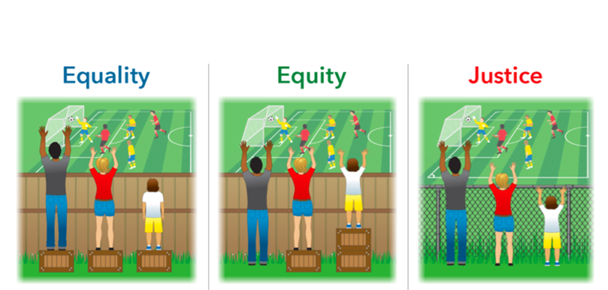
Students need academic accommodations for different reasons and sometimes for different periods of time. There are many reasons why a student may require supports. Some reasons are due to temporary situations, while others may be longer term and result from permanent exceptionalities.

Image Source: Equality, Equity, and Justice – YouTube

Students identified with an exceptionality who received accommodations in high school must proactively engage with their college’s Access and Support Centre to have their needs assessed.  This information does not automatically transfer to the post secondary environment. Older students or those educated in other provinces or countries may not be aware that academic accommodations are available. It is also possible that students may not advocate for their needs due to fear of discrimination or other negative consequences of disclosure.

Inclusive and accessible learning environments provide all learners with the opportunity to succeed.  The Ontario Human Rights Commission outlines the responsibility of post-secondary educators as follows:

Educators at the post-secondary level are responsible for participating in the accommodation process (including the provision of specific accommodations), being knowledgeable about and sensitive to disability issues, and maintaining student confidentiality. (Accommodating students with disabilities – Roles and responsibilities (fact sheet) | Ontario Human Rights Commission (ohrc.on.ca))

While students are not required to disclose their exceptionality or need for accommodations, facilitators are able to support student success by:

  1. At the beginning of each course, encouraging students to confidentially communicate any learning accommodations/needs they may have.
    Students may approach you with an Access Plan. This is a document that outlines the student’s accommodation needs. Encourage students to maintain communication of their needs throughout the duration of the course.
  2. Direct students who require additional supports to engage with the Access and Support Centre at their registering college (DC registered students can connect our Access and Support Centre).
  3. Additional Resources:

Most importantly, remember we are here to support. If you have questions about how to create inclusive spaces, please connect with your manager for further support and resources.


The Importance of Fundraising Management: 3 Key Elements to Ensure Success

Fundraising management is the process of planning and developing strategies, including developing a fundraising plan, identifying potential donors, creating marketing materials and organizing events to raise money. Effective fundraising management helps organizations to build relationships with donors and other stakeholders. Also, it supports non-profit organization’s ability to carry out their missions and positively impact the world.

A successful fundraiser requires careful planning and execution, below are three key elements that can help ensure the success of your fundraising efforts:

  • Clear Goal: It is essential to have a specific and achievable goal in mind when planning a fundraiser; it helps you focus your efforts and provides the donors with a clear understanding of their contributions.
  • Identify Potential Donors: Research organizations that share your values and have similar interests in your mission; they may be willing to support the cause. You may also leverage social media platforms to research and connect with potential donors. This could include foundations, corporations, and even individual donors.
  • Engaging Marketing Materials: Creating marketing materials will generate excitement and increase engagement around your campaign. Marketing materials will also help you to communicate your messages effectively, and you may use emails, social media posts, and other promotional materials in your marketing plan.

Accountability and transparency are essential in today’s society, and fundraising management is a vital part of an organizations duty to demonstrate these fundamentals to the public and their donors. It encourages openness on how donations are being used and helps to demonstrate the impact of their work. Also, it allows organizations to build confidence and trust among their donors and the wider community.

Why should you enrol for a Fundraising Management certificate with DC Professional and Part-time Learning:

The Fundraising Management Certificate program allows you to expand your knowledge of professional fundraising principles and examine various fundraising techniques and strategies, including special events planning, grant writing, and major gift giving. You will also explore the development of donor relationships as an integral part of fundraising.

  • If you are already working in the non-profit sector or are involved in fundraising, learning about fundraising management can help you be more effective in your current role.
  • Many non-profit organizations have fundraising as a crucial part of their operations, and being skilled in fundraising can open up new career opportunities.
  • If you are considering starting a non-profit organization, learning about fundraising management can help you get your organization off the ground.

Dean’s Message: We are with you for all Stages of Your Career!

I am delighted to welcome you to Durham College’s Professional and Part-time Learning. A strong personal commitment to lifelong learning is more critical now than ever, and choosing to pursue additional education will help you achieve your career goals. Whether you are at the beginning of your career, or at mid-career and looking to advance or change careers, or are considering post-retirement options, I am confident that Durham College’s range of programming will meet your needs.

We pride ourselves in our flexible learning delivery and exceptional program quality and innovation. We are unmatched in Ontario in our offerings which include more than 70 programs ranging from micro-credentials, certificates, diplomas and graduate certificates and more than 1,000 courses. Each of our classes is delivered by instructors with deep industry experience, allowing them to share relevant and current insights with their learners. And our range of learning environments – including courses with scheduled sessions as well as those without specific requirements for a timetabled class – allow you to continue to focus on your family and work responsibilities while pursuing your education. Our goal is to make learning that fits your life.

Please take a look through the catalogue and consider how we can help you achieve your goals. Reach out if you have any questions, and we are happy to help you choose the right courses and/or program that is right for you. Wishing you a successful and fulfilling lifelong journey.

Jean Choi, PhD
Executive Dean
Professional and Part-time Learning and Faculty of Liberal Studies | Teaching, Learning & Program Quality

Themed signature banner


3 Things You Need to Know about Managing Responsive Behaviours in Older Adults

Personality and behavioural changes are common challenges for those caring for individuals or loved ones with dementia. These behavioural changes often impact the memory, judgement, orientation, mood, and behaviour of individuals with dementia, possibly resulting in aggression, delusions, hallucinations, and repetitive speech. These behavioural changes in people with dementia are collectively termed “responsive behaviours”.

While it is essential to recognize that these behaviours cannot be controlled or changed, it is essential to learn compassionate ways to communicate and care for those with dementia. It is also vital to develop strategies to aid you in addressing and Managing Responsive Behaviours in Older Adults.

Some of the most common responsive behaviours in older adults with dementia:

  • Repetition: If you observe repetitive behaviours, such as asking the same question over and over or constant hand rubbing – it could indicate feelings of insecurity or loss. You should approach this situation by speaking calmly and answering their question, even if you have previously answered them.
  • Aggression: You may notice that your loved one becomes angry for reasons that may not be obvious – it could be due to fear of a situation or a person they find threatening. It is recommended to approach from the front while maintaining eye contact and minimize surrounding noise and activity levels.
  • Wandering: This is a typical response to overstimulation and overwhelming situations – it may indicate discomfort, and the your loved one could be experiencing delusions and hallucinations due to dementia or medication side effects. Distraction can be a great aid to redirect the person’s attention to a different activity and manage this behaviour.

To learn more about how you can manage and respond to Responsive Behaviours, consider completing the Managing Responsive Behaviours in Older Adults stacked micro-credential offered by Durham College’s Professional and Part-Time Learning. This stacked micro-credential is comprised of three courses:


  • Recognizing Responsive Behaviours: Which examines a relational care approach and the complexities of dementia. Students will learn the many factors that affect responsive behaviours and the subsequent complexities of managing responsive behaviours.
  • Assessing and Preventing Triggers of Responsive Behaviours: Which focuses on identifying, evaluating and preventing triggers for responsive behaviours. Students will learn to recognize the signs and symptoms that lead to responsive behaviours.
  • Effective Non-pharmacological Interventions for Responsive Behaviours: Which emphasizes strategies that can be used to safely and appropriately prevent the escalation of responsive behaviours. Student’s will be engaged in various practice activities and scenarios that will prepare them to select interventions in different conditions.

How to use micro-credentials to further your career?

According to Robert Half research, 95% of executives believe finding employees with the necessary skills and competencies is difficult. Micro-credentials assist people in retraining and upgrading their skills to find new employment. Micro-credentials are short-term training offered by Durham College’s Professional and Part-Time Learning department that can help you gain the skills that employers require.

Organizations are looking for opportunities to train, development, and upskill their employees.  Micro-credential can provide a great avenue for companies to achieve this goal.  Many organizations are rethinking how they screen candidates for interviews and are looking for specific competencies during the interview process. Micro-credentials align directly to this need and can assist candidates in standing out during the screening process.

Micro-credentials tend to be shorter to complete compared to traditional qualifications like degrees. At the same time, they can also help you work on practical projects and problem-solving assignments.

Why should you consider completing a micro-credential?

Working full-time professionals don’t always have a schedule that aligns with a traditional college or university. Micro-credentials provides a flexible and efficient approach for employees to expand their skill set and increase their employability.

Micro-credentials can be completed on your schedule and are usually shorter than a traditional degree. There are stacked micro-credentials designed to be combined and create a comprehensive portfolio of qualifications in a subject area.

Types of Micro-credentials:

  • Individual Micro-credential: These are the most popular type of micro-credentials; they are highly focused on a specific competency related to a particular job.
  • Stacked Micro-credential: As the name suggests, multiple micro-credentials support the development of various competencies related to a particular type of job.

What are the benefits of micro-credentials?

  1. Cost-effective: The investment required for micro-credentials is far less when compared to traditional academic credentials. Given their nature and duration, making them cost-effective also make them easily accessible for many professionals.
  2. Accessible: Since Micro-credentials are taught online, professionals can study from anywhere in the world. Unlike traditional academic courses, many individual micro-credentials don’t have prerequisites, ensuring that you can complete them without any prior experience.
  3. Efficient & Modern Learning Style: When you take micro-credentials, many are taught through storytelling, practice-based assignments, and work-learning projects, allowing you to be self-paced with an end date to complete your assignments.

Do employers recognize micro-credentials?

Micro-credentials have been around for a long time, but it’s a modern learning style. They are widely recognized in constantly changing industry sectors such as business, marketing, and information technology.

In some organizations, micro-credentials are considered additional skills that a candidate brings to the table. Here these qualifications work hand-in-hand with traditional education. By taking these micro-credentials, a candidate can demonstrate their dedication to life long learning and gain specialized education in a particular area to grow their career.

Examples of Micro-credentials by Interest available at DC Professional and Part-Time Learning:

The skills learned with micro-credentials can be applied to your industries. You choose the skills that make your profile more competitive and marketable, making it easier to further your career.


How are Human Resource Professionals reimagining the future of work?

Every company wants to treat its employees fairly, but often the bottom line hinders these noble intentions. The purpose of a human resources department is to create rules that balance the interests of both employers and employees.

Over the years, HR professionals have adapted from a company-first to an employee-first approach. Gone are the days of traditional payroll and benefits administration. Now modern HR is involved in formulating plans to find the best candidates, ensuring employee retention by addressing their problems, managing employee separation, and keeping up with the developments in the HR sector.

Mental Health and Employee Wellbeing: In this post-pandemic era, many organizations have prioritized employee well-being and adopted a more empathetic leadership style.

IBM Institute for Business Value’s study shows that there is a massive disparity between how employees believe that they are supported by their employers vs. how much employers are concerned about employees’ well-being. The HR professionals have been formulating and strategizing employee wellness through the lens of recruitment, benefits policies, and workplace culture.

Talent Acquisition and Management: The recruitment and selection process has been evolving, and the insurgence of remote work meant employers anticipate candidates’ preference for remote work. HR Professionals will have to devise and strategize a plan to maintain employee performance and effectiveness.

As more and more people enter the freelance economy, businesses will have even more options for hiring the best non-payroll talent. Employing freelance talent to be completely remote will become more common in the future of talent acquisition.

Virtual Human Resources: The candidate screening process was digitalized long ago, but businesses are now heavily adopting electronic human resource management (E-HRM) technology to allow HR employees to save time.

A new part of E-HRM systems is the HR Chatbots, which can analyze and organize people-centric data for staffing, training and development, and payroll tasks. This allows HR practitioners to design strategic procedures that will improve the business.

Hybrid and Remote Working: While most organizations have had an open-door policy and free-flowing communication when employees visit in person, HR practitioners must always have open communication channels. Many employees have not yet fully transitioned to working from home, so HR managers have to think outside the box to keep this culture alive in a remote office.

Implementing this culture and style in a virtual environment may require HR to facilitate talks or provide staff with the required tools. HR must communicate more than just business information in an entirely online workplace. They must also keep an eye on how staff members adapt to their new remote work environment. This will ensure that HR makes every effort to maintain the remote workforce’s satisfaction and productivity.

If you are interested in being a Human Resource professional, you should consider the Certified Human Resources Professional (CHRP) designation. It is one of the best entry-level qualifications in HR in Canada and is exclusively provided by Human Resources Professionals Association (HRPA).

Durham College also offers a two-year Ontario College diploma in Business – Human Resources, where you learn industry-standard softwares and learn from professionals who are connected to the industry.